
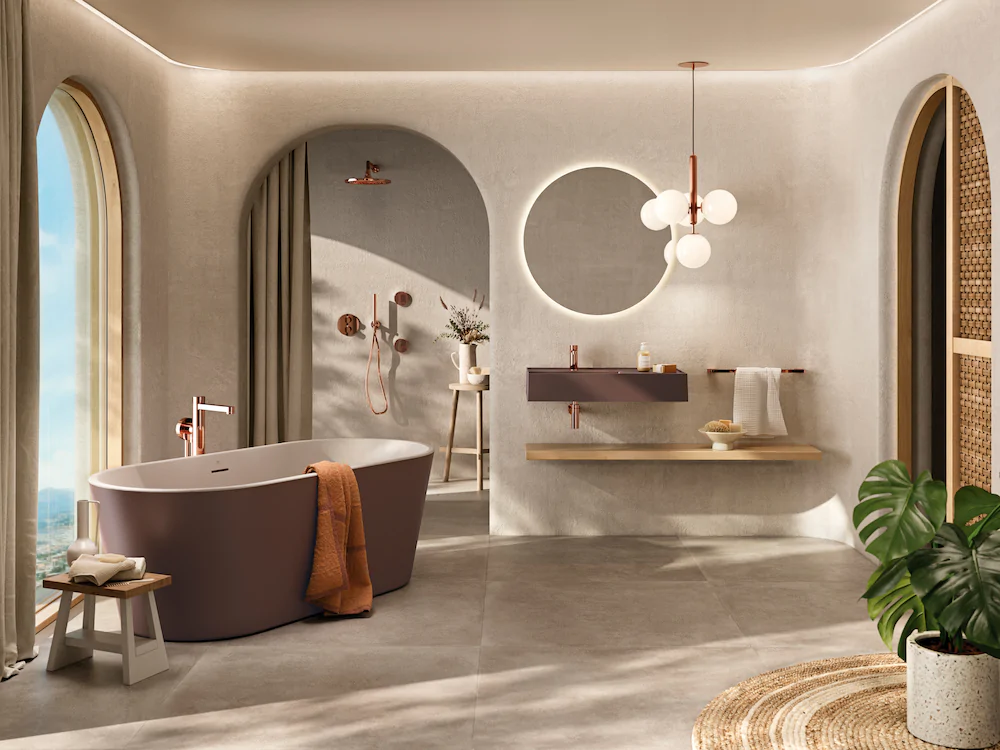
11 Wabi Sabi Bathroom Decor Ideas for Small Bathrooms
Small bathrooms demand thoughtful design. When space is limited, every material, texture, and object matters. If you’re searching for wabi sabi bathroom decor, you’re likely looking for something deeper than a quick style update. You want a bathroom that feels calm, grounded, and authentic — not overcrowded or overly styled.
Wabi sabi is rooted in a Japanese philosophy that values simplicity, natural aging, and quiet beauty. It celebrates irregular textures, handmade details, and materials that tell a story over time. In compact bathrooms, this mindset is particularly powerful. Instead of fighting the limitations of a small layout, wabi sabi bathroom decor works with them, transforming tight square footage into an intimate sanctuary.
This guide explores eleven carefully considered ideas designed specifically for small bathrooms. Each section focuses on practical, realistic design decisions that create warmth, depth, and lasting appeal.
Build a Foundation with Raw, Honest Materials
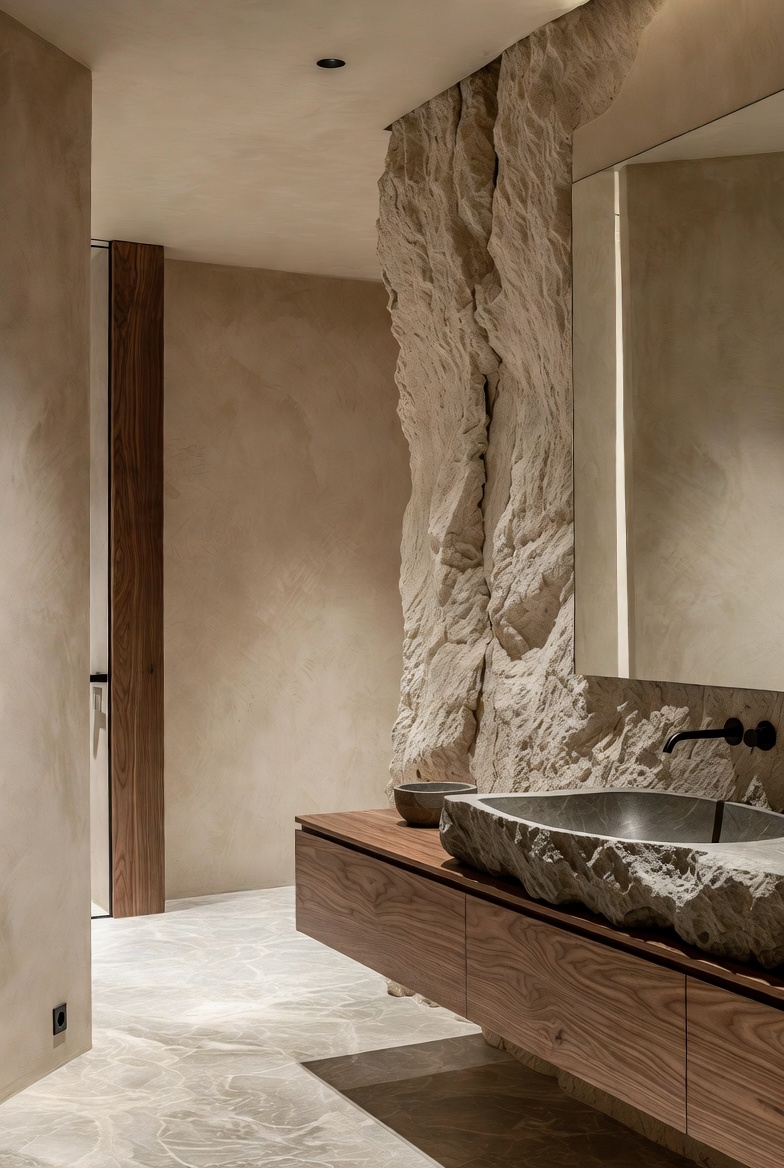
In small bathrooms, surfaces dominate the visual experience. Walls, floors, and vanities take center stage because there is less room for decorative layering. This makes material choice essential.
Consider limewashed walls with subtle movement, natural stone tiles with tonal variation, or plaster finishes that reveal depth in changing light. A wooden vanity with visible grain or slight irregularities adds warmth and authenticity.
Wabi sabi bathroom decor thrives on materials that feel real. Avoid glossy laminates or overly polished surfaces. Let texture become the quiet statement.
Soften the Edges with Organic Forms
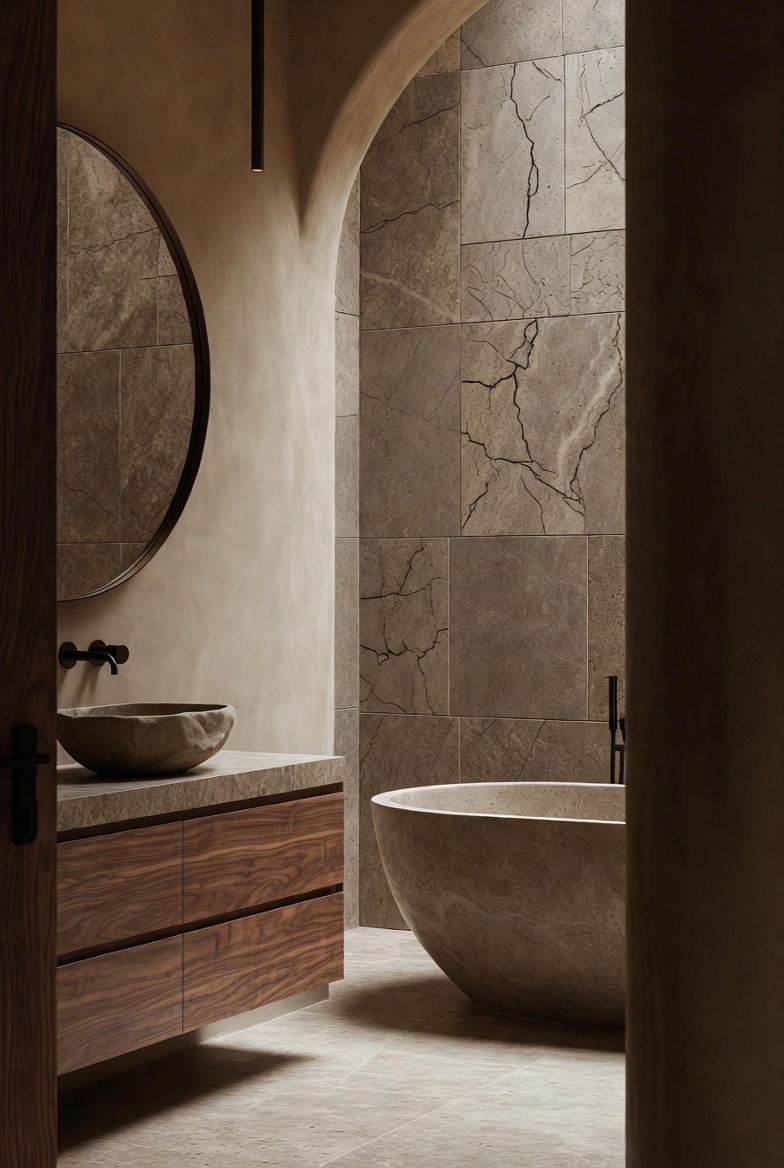
Small bathrooms often rely heavily on straight lines due to space-saving fixtures. Introducing gentle curves can soften the environment and prevent it from feeling rigid.
A round mirror, a curved basin, or softly arched shelving adds visual flow. Organic shapes bring balance to compact layouts and align beautifully with the philosophy of natural imperfection.
Even subtle curves make a noticeable difference in how the space feels.
Work with a Restrained, Earth-Inspired Palette
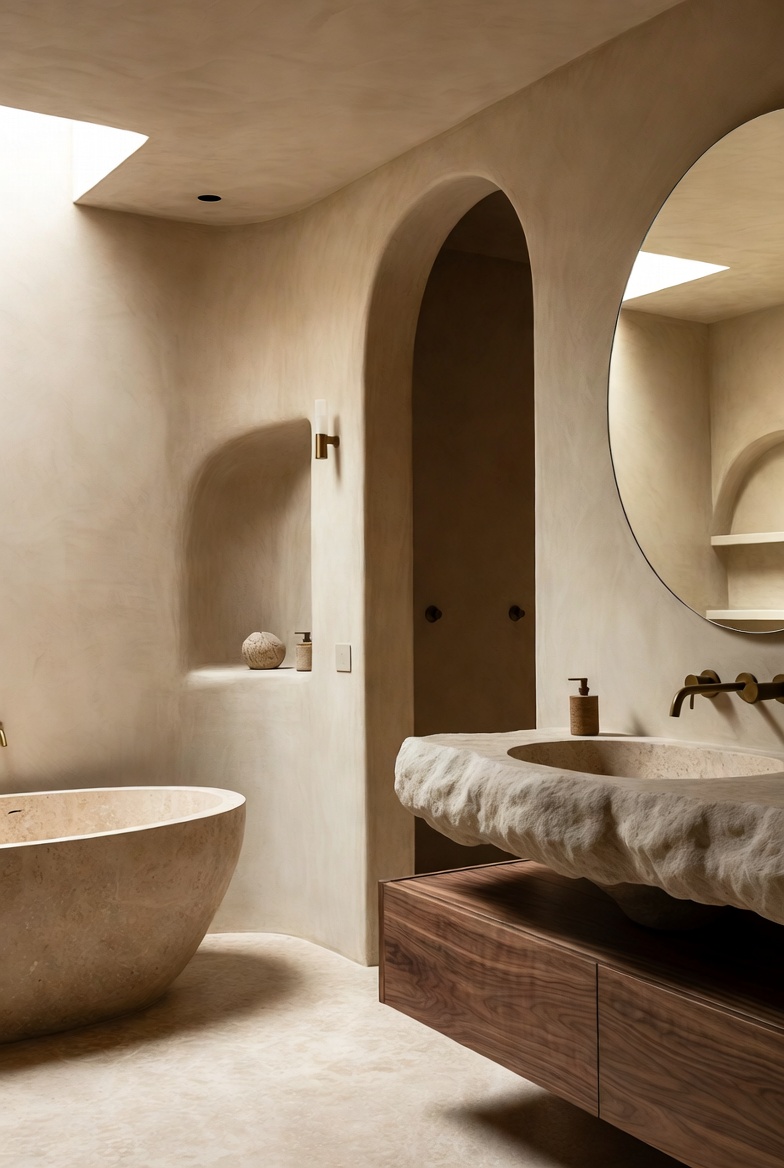
Color has a significant emotional impact in confined areas. Wabi sabi bathroom decor favors understated hues inspired by nature.
Warm taupe, sand, muted olive, clay, and off-white create depth without heaviness. These tones feel grounded and cohesive, which is crucial when walls are close together.
Instead of contrasting sharply between surfaces, allow tones to blend gently into one another. A harmonious palette keeps the room feeling expansive and calm.
Introduce Depth Through Subtle Contrast
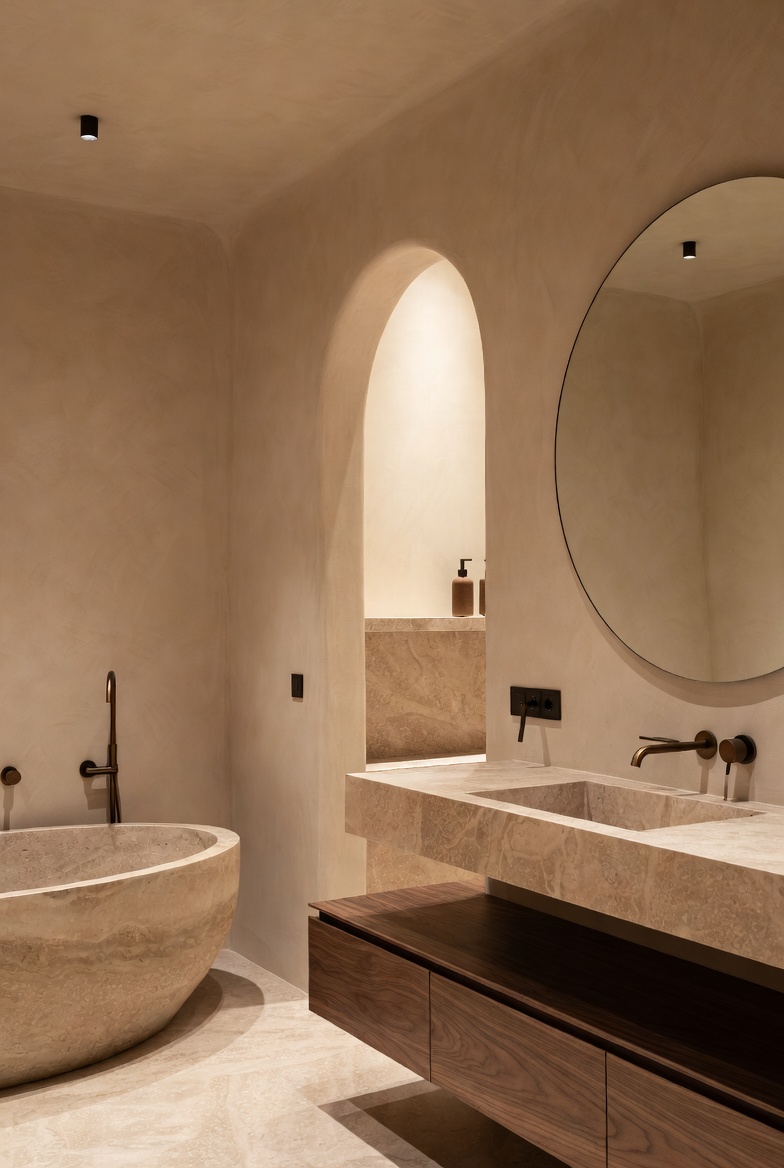
While the palette should remain restrained, small bathrooms benefit from quiet contrast. A darker stone sink against lighter plaster walls or a medium-toned wood vanity paired with pale flooring adds dimension.
Contrast should never feel bold or dramatic. It should feel natural, like variations found in nature. This layering prevents monotony while preserving tranquility.
In wabi sabi bathroom decor, balance is always more important than statement-making.
Let Imperfection Become the Highlight
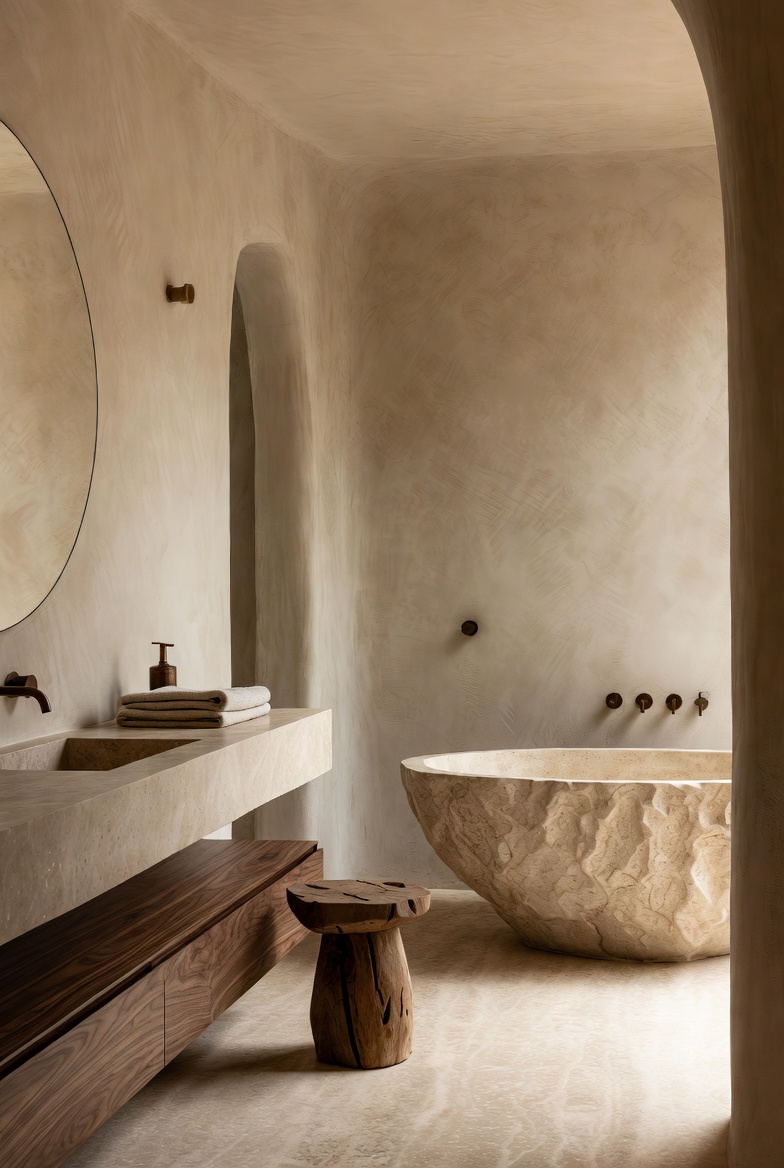
Perfection can feel sterile, especially in small spaces. Slightly uneven tiles, hand-finished ceramics, or stone surfaces with irregular veining introduce character.
These details draw the eye in a subtle way. They encourage appreciation of craftsmanship and authenticity. In a compact bathroom, even a small handmade soap dish can shift the mood of the entire room.
Imperfection in this context does not mean neglect. It means embracing natural variation.
Refine Storage Without Erasing Simplicity
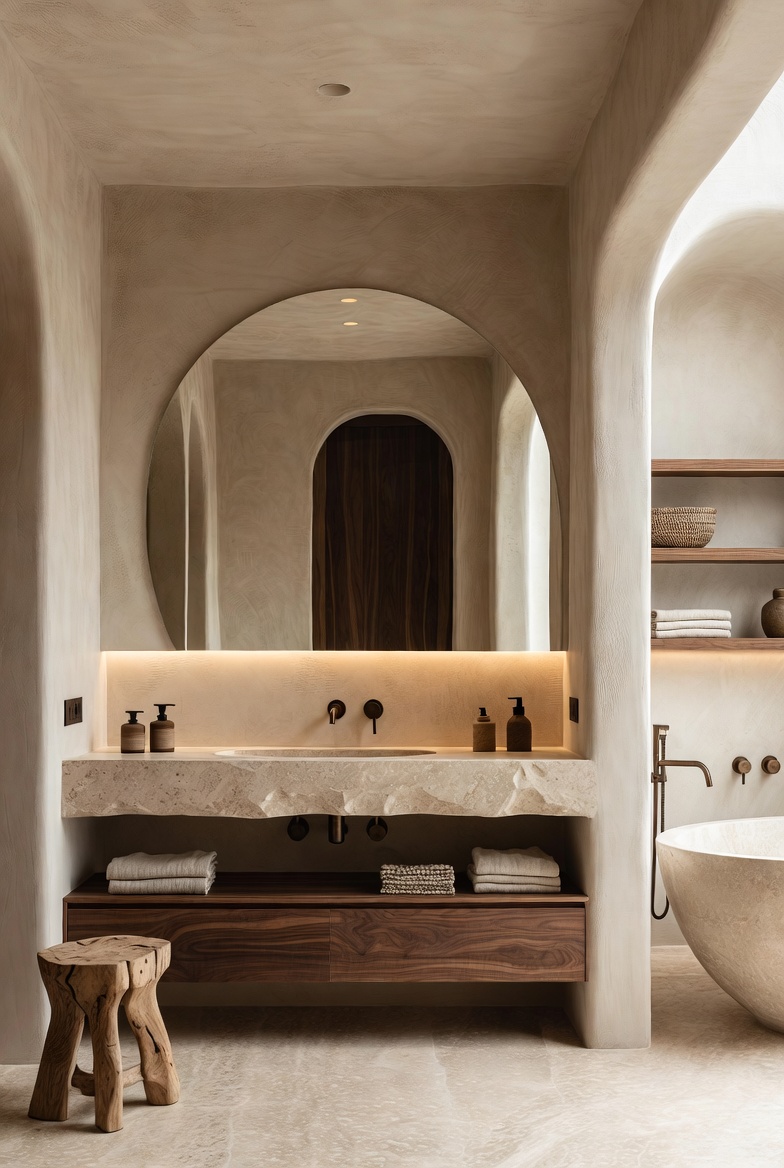
Storage is critical in small bathrooms, but bulky cabinetry disrupts the wabi sabi aesthetic. Opt for floating vanities to create visual lightness. Recessed niches in shower walls maintain clean lines while offering practicality.
Open wooden shelves can hold neatly folded linen towels or simple woven baskets. Keep displays minimal and purposeful.
Wabi sabi bathroom decor encourages thoughtful editing. Only keep what serves a function or contributes to the atmosphere.
Use Light to Reveal Texture
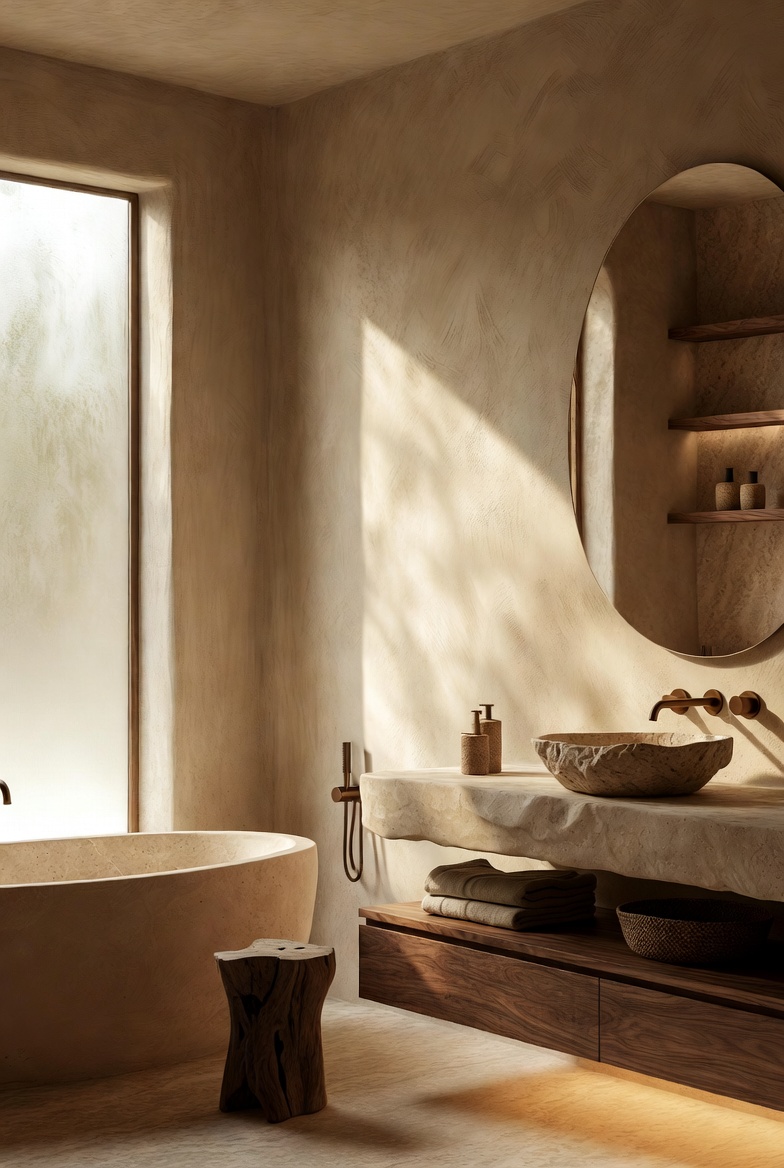
Lighting in small bathrooms should be soft and layered. Harsh overhead lights flatten textures and create shadows that feel sharp.
Warm-toned wall sconces, concealed LED strips under vanities, or diffused ceiling lighting enhance materials gently. Natural light, if available, should be filtered through sheer linen curtains rather than heavy blinds.
When light grazes textured plaster or stone, it reveals depth. This subtle interplay is central to wabi sabi design.
Choose Fixtures That Age Gracefully
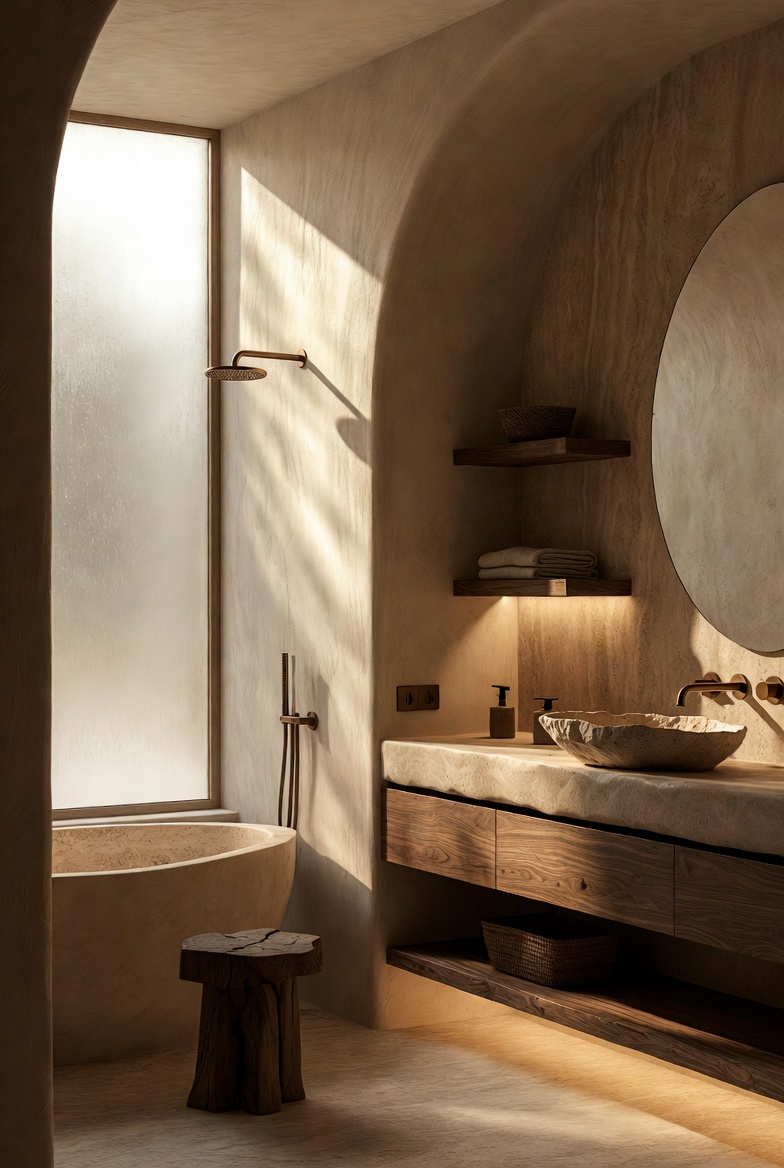
In humid bathroom environments, finishes change over time. Wabi sabi bathroom decor embraces this transformation.
Brushed brass, matte black, or aged bronze fixtures develop character as they age. Avoid highly reflective chrome that emphasizes fingerprints and water spots.
The goal is to select hardware that feels timeless and improves with use, reinforcing longevity.
Layer in Natural Fibers for Comfort
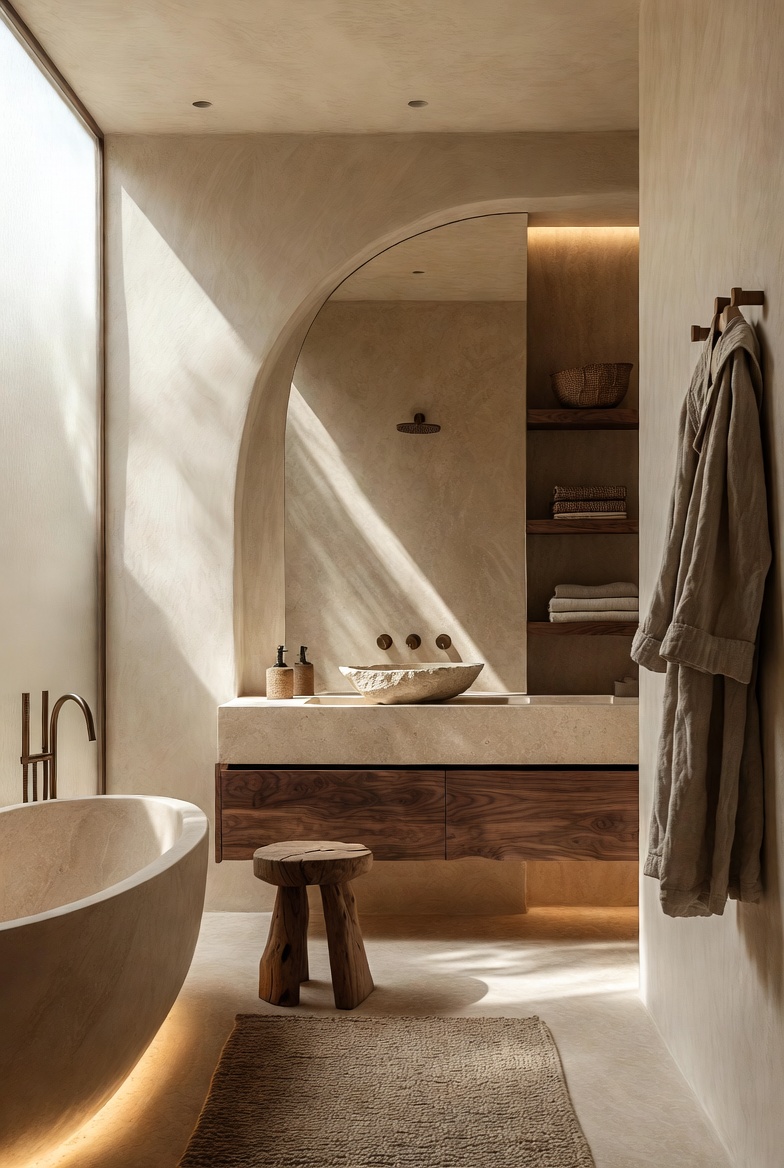
Bathrooms are filled with hard surfaces. Introducing natural fibers softens the atmosphere. Linen towels, woven cotton bath mats, and simple fabric shower curtains add warmth.
Stick to neutral shades and subtle textures. A slightly rumpled linen towel can look more authentic than something tightly pressed.
These layers prevent minimalism from feeling cold.
Bring Nature Inside with Restraint
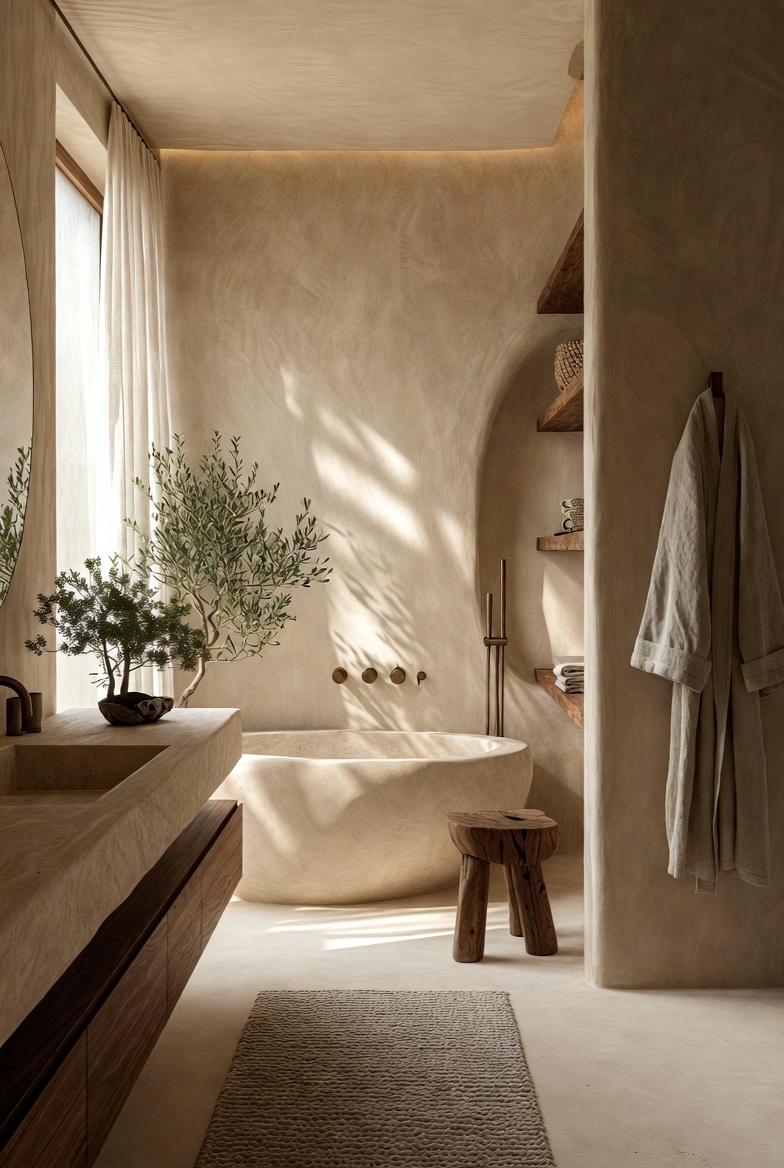
A small bathroom does not need multiple decorative plants. One thoughtfully chosen plant is enough.
A compact potted fern, a trailing plant on a high shelf, or a small branch arrangement in a ceramic vase can introduce organic movement. Greenery complements earthy tones and reinforces the connection to nature.
Wabi sabi bathroom decor values subtlety. One natural element often speaks louder than many.
Design for Quiet Longevity
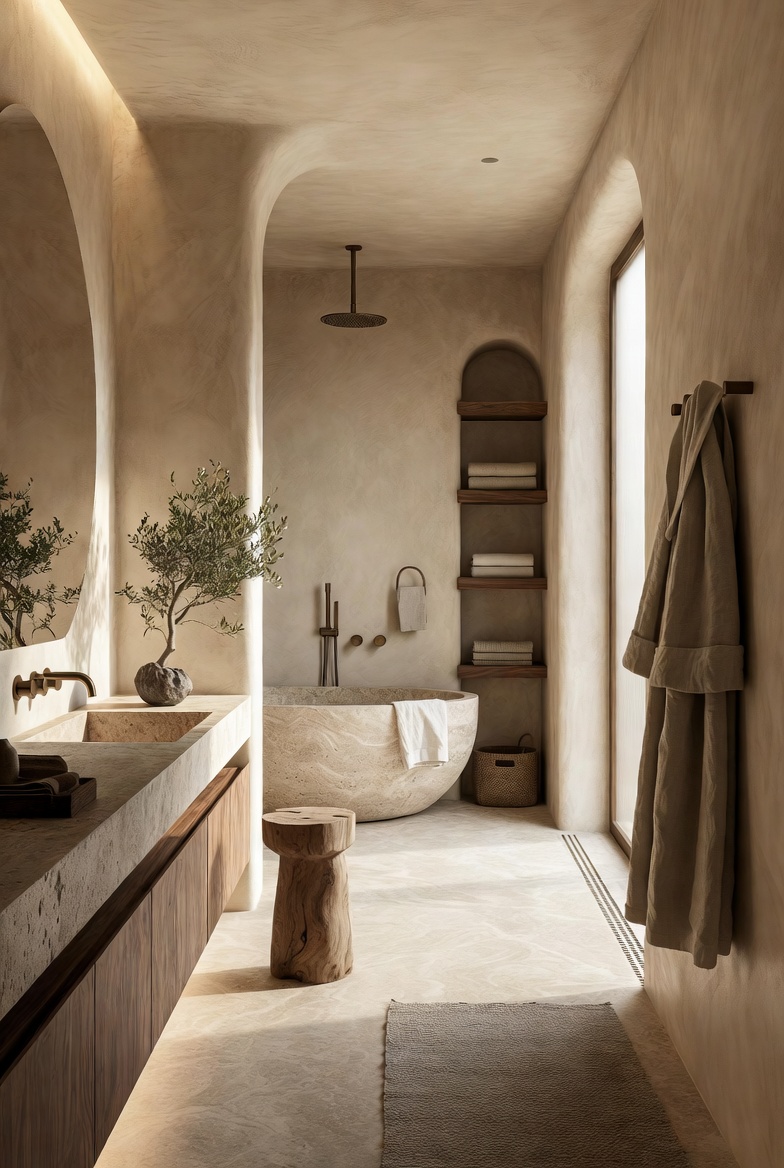
Trends can overwhelm small bathrooms quickly. Wabi sabi encourages timelessness over novelty.
Invest in durable materials that age well. Choose designs that feel calm rather than dramatic. The fewer dramatic elements you introduce, the less likely the space will feel outdated.
A small bathroom designed with longevity in mind becomes more beautiful over time rather than needing constant updates.
Frequently Asked Questions
What makes wabi sabi bathroom decor different from minimalist design?
Minimalism focuses on reducing items and visual clutter. Wabi sabi goes further by emphasizing natural imperfection, texture, and emotional warmth. It values authenticity over sleek perfection.
Can wabi sabi work in a modern apartment bathroom?
Yes. Even in contemporary buildings, natural materials, muted tones, and handcrafted details can create a wabi sabi atmosphere without altering the architectural structure.
How do I make a tiny bathroom feel calm?
Use a cohesive earthy color palette, reduce decorative clutter, choose warm lighting, and incorporate tactile materials like stone and linen. These elements help create emotional spaciousness.
Is wabi sabi bathroom decor expensive?
It does not have to be. The philosophy focuses on fewer, better choices rather than excessive spending. Even small adjustments like replacing textiles or decluttering surfaces can make a noticeable impact.
What should I avoid in a wabi sabi bathroom?
Avoid overly glossy finishes, bright artificial colors, and excessive decorative items. The goal is quiet simplicity, not visual stimulation.
Conclusion
Designing the best 11 wabi sabi bathroom decor ideas for small bathrooms begins with intention. Instead of filling limited space with decorative excess, focus on authenticity, warmth, and material honesty. Earth-inspired tones, organic shapes, natural textures, and restrained styling work together to create depth without clutter.
Wabi sabi bathroom decor transforms small bathrooms into intimate sanctuaries. It teaches us that beauty does not come from perfection or scale but from thoughtful choices and quiet balance. When you embrace imperfection, allow materials to age gracefully, and design with simplicity in mind, even the smallest bathroom can feel grounded, serene, and timeless.
In the end, wabi sabi is not just a style. It is a way of seeing beauty in subtlety — and that perspective can turn any small space into something truly meaningful.