Choosing the right color for a bathroom can completely change how the space feels. Designers often say that color is the foundation of any successful bathroom design because it sets the mood, enhances lighting, and makes even small spaces feel intentional. Whether you are planning a full renovation or simply refreshing your walls, exploring timeless and modern bathroom color ideas can help you make confident design decisions that last.
Bathrooms are unique spaces. They need to feel clean and fresh, but also calm and welcoming. Some people prefer light and airy tones, while others lean toward bold shades that make a statement. The good news is that there is no single right answer. Designers work with a wide range of palettes to match different lifestyles, layouts, and personal tastes. In this guide, you will discover designer-approved color ideas that work beautifully across classic, modern, and contemporary bathrooms.
Warm Beige for Subtle Elegance

Warm beige is often chosen for bathrooms that aim to feel inviting and balanced. Designers appreciate how this color adds warmth without dominating the room. It pairs effortlessly with natural stone, brushed brass, and wooden accents. Beige works especially well in bathrooms where natural light is limited, as it prevents the space from feeling flat or dull.
Light Gray for a Modern Foundation

Light gray continues to be a favorite among designers who want a modern yet flexible base. This shade offers more depth than white while remaining neutral enough to complement various materials. Gray allows other elements, such as patterned tiles or statement mirrors, to stand out. Among contemporary bathroom color ideas, light gray is often praised for its versatility and long-term appeal.
Charcoal Gray for Depth and Drama

Charcoal gray brings a sense of sophistication and drama to bathrooms. Designers often recommend it for larger spaces or powder rooms where bold choices feel intentional. When balanced with adequate lighting and lighter surfaces, charcoal creates a luxurious atmosphere without feeling heavy. It is especially striking when paired with matte black or chrome finishes.
Soft Blue for a Calm and Refreshing Feel

Soft blue is frequently associated with water and sky, making it a natural choice for bathrooms. Designers use this color to create a soothing environment that feels spa-like and serene. Lighter shades of blue work well in family bathrooms, while slightly deeper tones add character without overpowering the space. This is one of those bathroom color ideas that feels both relaxing and timeless.
Navy Blue for a Bold Yet Classic Style

Navy blue has become a designer favorite for those who want color without sacrificing elegance. It adds richness and contrast, especially when paired with white tiles or marble countertops. Designers often suggest navy for vanities or accent walls to ground the space while maintaining a refined look.
Sage Green for a Natural and Relaxed Vibe

Sage green is widely recommended by designers who want bathrooms to feel connected to nature. This muted green tone brings calm energy and works beautifully with natural materials like stone and wood. It is subtle enough to age well, making it a smart choice for homeowners who want a lasting design.
Olive Green for Earthy Sophistication

Olive green adds depth and character while still feeling grounded and natural. Designers often use this shade in bathrooms that lean toward a rustic or organic aesthetic. Olive pairs well with warm metals and textured surfaces, creating a balanced and welcoming atmosphere.
Blush Pink for Soft Warmth

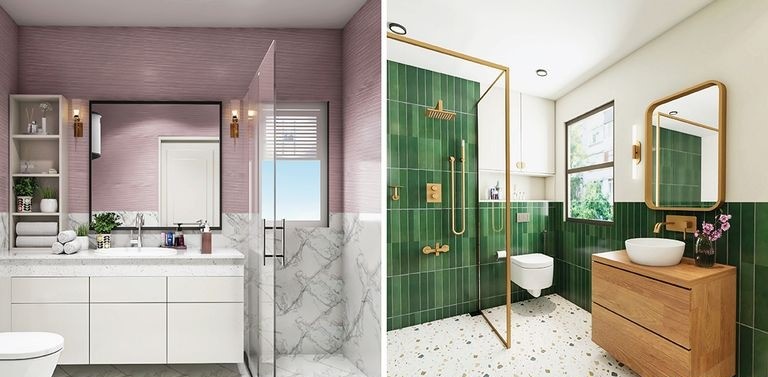
Blush pink has moved far beyond its outdated reputation. Designers now recommend it as a warm neutral that flatters skin tones and softens harsh lighting. In bathrooms, blush creates a gentle, comforting feel without appearing overly feminine. It works particularly well with white, gray, and brass accents.
Terracotta for Warm and Inviting Spaces

Terracotta tones bring warmth and personality to bathrooms. Designers often suggest this color for homes inspired by Mediterranean or bohemian styles. Terracotta adds visual interest while maintaining a natural and earthy feel. When used thoughtfully, it can make bathrooms feel cozy and expressive.
Taupe for Balanced Neutrality

Taupe sits between gray and beige, offering the best of both worlds. Designers appreciate taupe for its adaptability across different styles. It complements both warm and cool elements, making it one of the most flexible bathroom color ideas for long-term use.
Cream for a Soft and Luxurious Finish

Cream is a classic choice that designers often recommend for traditional or transitional bathrooms. It provides warmth while maintaining a light and elegant appearance. Cream walls pair beautifully with marble surfaces, vintage fixtures, and soft lighting, creating a refined and timeless look.
Pale Yellow for Gentle Brightness

Pale yellow is sometimes overlooked, but designers use it to bring subtle cheerfulness into bathrooms. This color reflects light well and creates a welcoming atmosphere without feeling overwhelming. When kept soft and muted, pale yellow feels fresh rather than bold.
Lavender for a Calm and Unique Touch

Lavender introduces a hint of color while maintaining a calming effect. Designers often recommend it for homeowners who want something different but not dramatic. Lavender works well in smaller bathrooms, adding personality without visually shrinking the space.
Black for a Striking Statement

Black is one of the most daring bathroom color ideas designers recommend, but when done correctly, it feels incredibly sophisticated. Designers often use black as an accent or in bathrooms with strong lighting. It adds contrast and drama, especially when paired with white fixtures or metallic details.
Greige for Modern Simplicity

Greige blends gray and beige into a modern neutral that designers frequently use in contemporary bathrooms. It offers warmth without sacrificing a clean, minimal look. Greige adapts well to different lighting conditions, making it a practical and stylish choice.
Mint Green for Fresh Energy

Mint green adds a light and refreshing feel to bathrooms. Designers recommend it for spaces that need a touch of brightness without going bold. Mint works especially well in guest bathrooms, creating a welcoming and cheerful impression.
Moody Teal for Rich Character

Teal brings depth and personality while maintaining elegance. Designers often use darker teal shades to create a moody yet refined atmosphere. This color works beautifully with gold accents, white surfaces, and textured tiles, making it a standout choice for statement bathrooms.
How Designers Choose the Right Bathroom Colors

Designers rarely select colors in isolation. They consider lighting, room size, ceiling height, and existing materials before recommending specific bathroom color ideas. Natural light often allows for deeper tones, while limited light usually calls for softer shades. Designers also think about how the bathroom connects to nearby rooms to ensure a cohesive flow throughout the home.
FAQs About Bathroom Color Ideas
What bathroom colors make a small space look bigger?
Lighter shades such as soft white, pale gray, and light blue help reflect light and make small bathrooms appear more spacious. Designers often recommend these colors to visually open up compact layouts.
Are dark bathroom colors hard to maintain?
Dark colors can show water spots and dust more easily, but with proper lighting and finishes, they can be just as practical as lighter shades. Designers suggest using high-quality paint and easy-to-clean surfaces to reduce maintenance concerns.
How do I choose a bathroom color that will last?
Timeless neutrals and muted tones tend to age better than trendy colors. Designers often recommend choosing a base color you love and adding personality through accessories that can be changed later.
Can I mix multiple colors in one bathroom?
Yes, designers often use layered color schemes to create depth. The key is balance. A neutral base paired with one or two complementary colors usually works best.
Do bathroom colors affect mood?
Absolutely. Colors influence how a space feels. Soft blues and greens promote calmness, while warm tones create comfort. Designers use color intentionally to shape the bathroom experience.
Conclusion
Choosing the right bathroom color is about more than following trends. It is about creating a space that feels comfortable, functional, and visually pleasing for years to come. Designers recommend a wide range of bathroom color ideas because every home and lifestyle is different. From timeless neutrals to bold statement shades, the best color is one that reflects your taste while enhancing the space itself. By considering light, size, and overall style, you can confidently select a color palette that turns your bathroom into a well-designed and inviting retreat.