
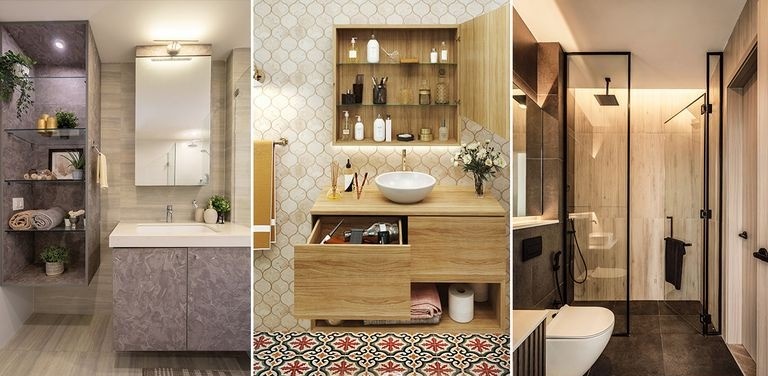
15 Narrow Bathroom Ideas That Make the Space Feel Wider
Designing a narrow bathroom can feel like a challenge at first. Limited width, tight walkways, and awkward layouts often make the space seem smaller than it really is. However, with the right design choices, even the narrowest bathroom can feel open, comfortable, and visually balanced. The key is not to fight the shape of the room, but to work with it thoughtfully.
This guide explores practical and stylish narrow bathroom ideas that help visually widen the space while maintaining functionality and comfort. By focusing on light, layout, proportion, and smart design details, you can transform a long or slim bathroom into a space that feels airy, modern, and inviting.
Understanding the Challenges of a Narrow Bathroom
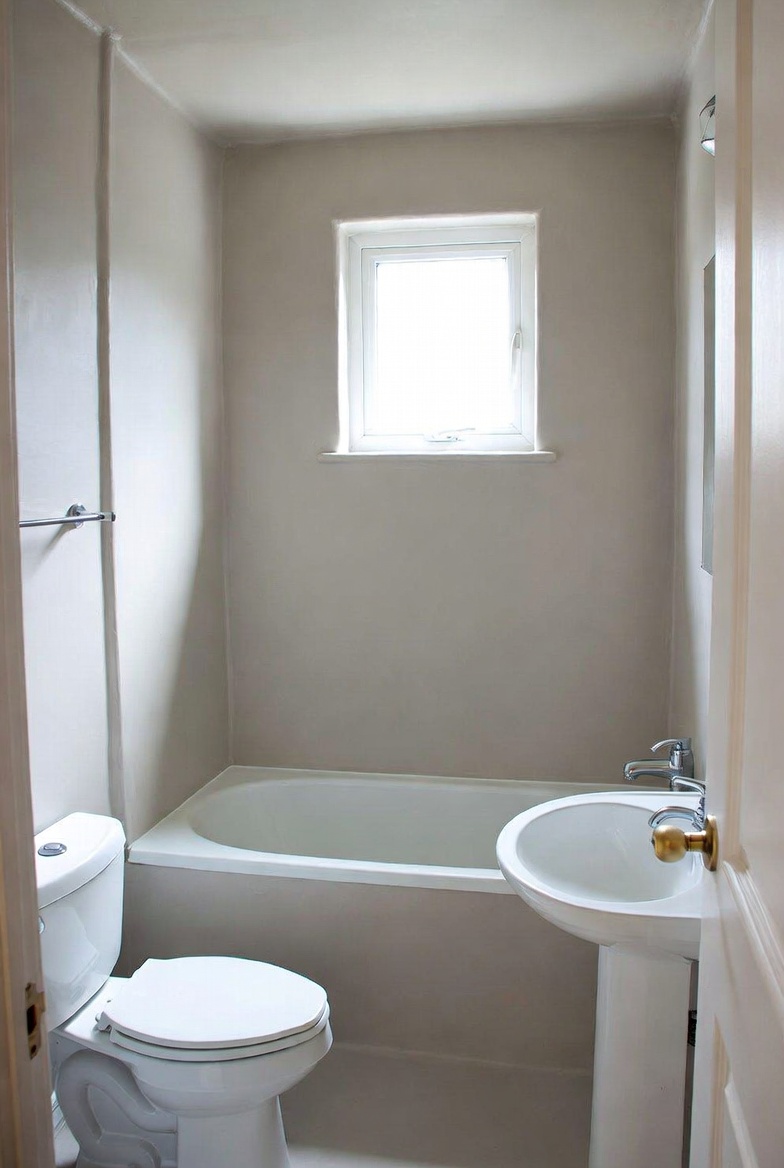
A narrow bathroom often feels confined because the walls appear too close together. Long, tunnel-like layouts can exaggerate this feeling, especially when paired with poor lighting or dark colors. Storage can also become an issue, as bulky furniture eats into valuable floor space.
The goal when designing a narrow bathroom is to reduce visual barriers and guide the eye across the width of the room instead of down its length. Every design decision should contribute to openness and flow.
Choosing Colors That Visually Expand the Space
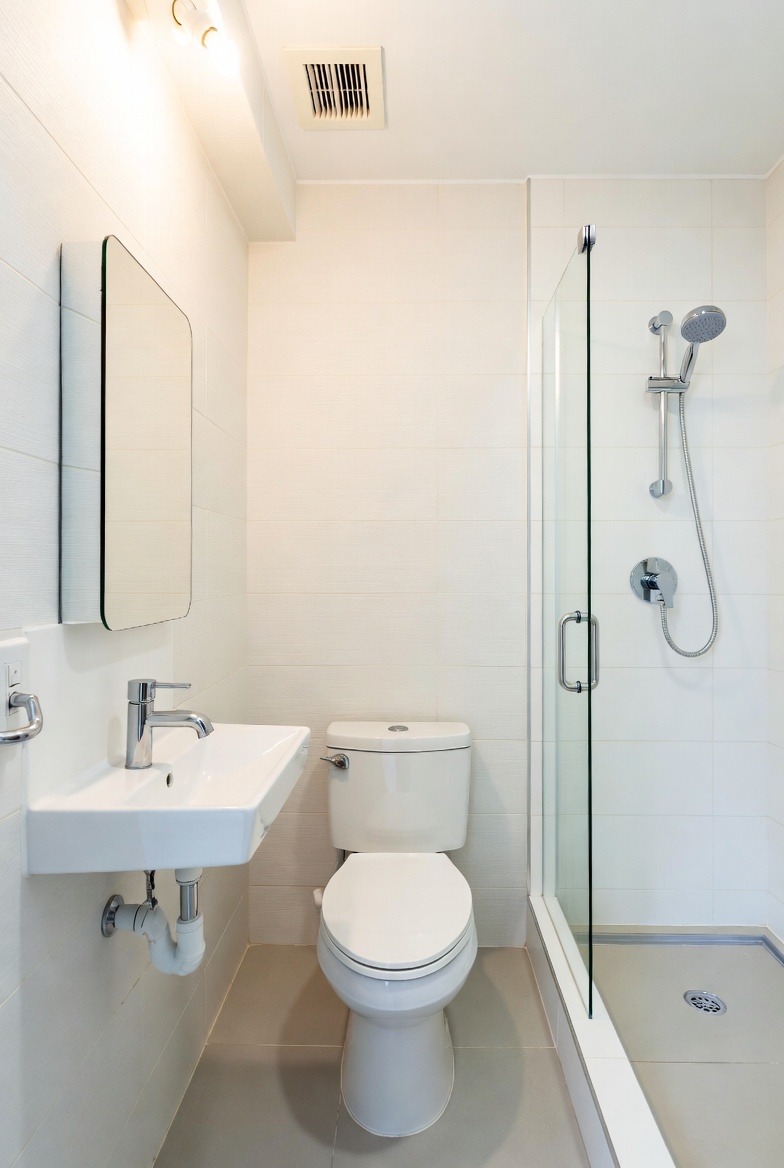
Color is one of the most powerful tools for widening a narrow bathroom. Light and neutral shades reflect light and make walls feel further apart. Soft whites, pale greys, warm creams, and light pastels work particularly well in slim spaces.
Using the same color on the walls and ceiling helps blur boundaries, which reduces the boxed-in feeling. When the eye does not stop at sharp color changes, the room naturally feels wider and more continuous.
Using Horizontal Lines to Create Width
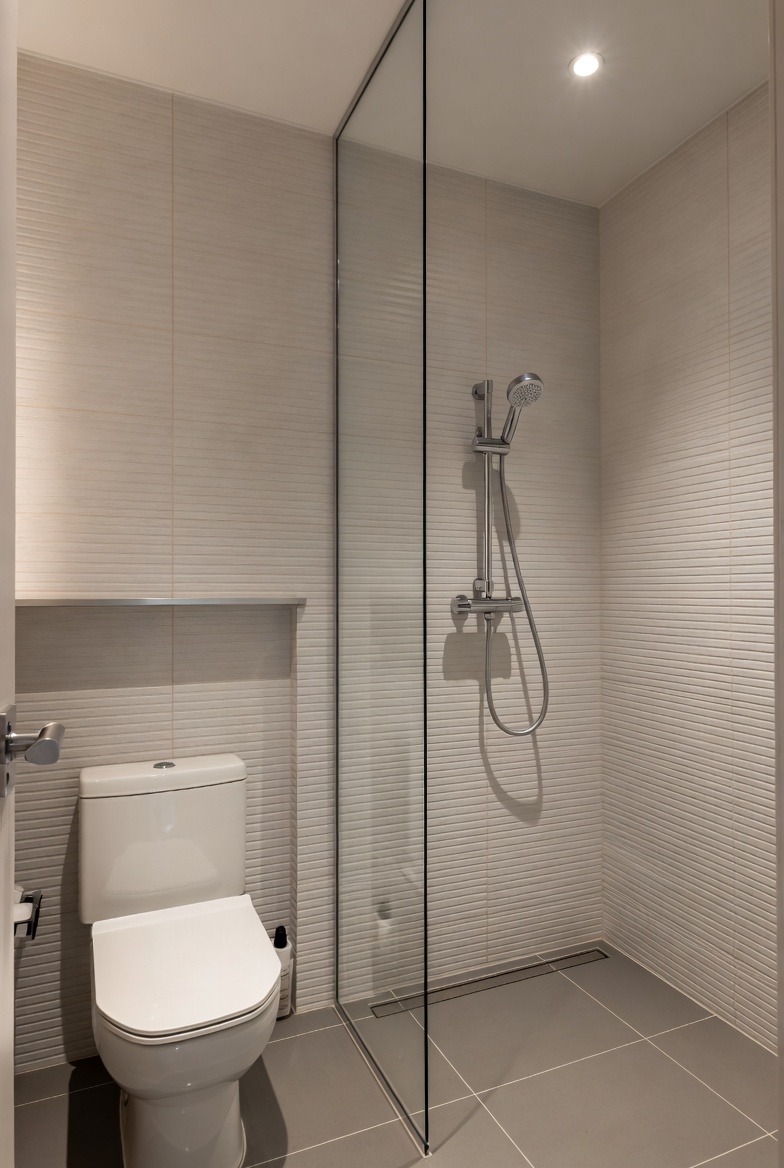
Horizontal elements visually stretch a space from side to side. This can be achieved through wall tiles, paint techniques, or even décor placement. Tiles laid horizontally draw the eye outward, subtly widening the room.
Even simple design choices, such as horizontal wall paneling or a stripe of contrasting color across the wall, can shift attention away from the narrow proportions. These narrow bathroom ideas rely on visual tricks that make a big difference without structural changes.
Flooring Choices That Enhance Openness
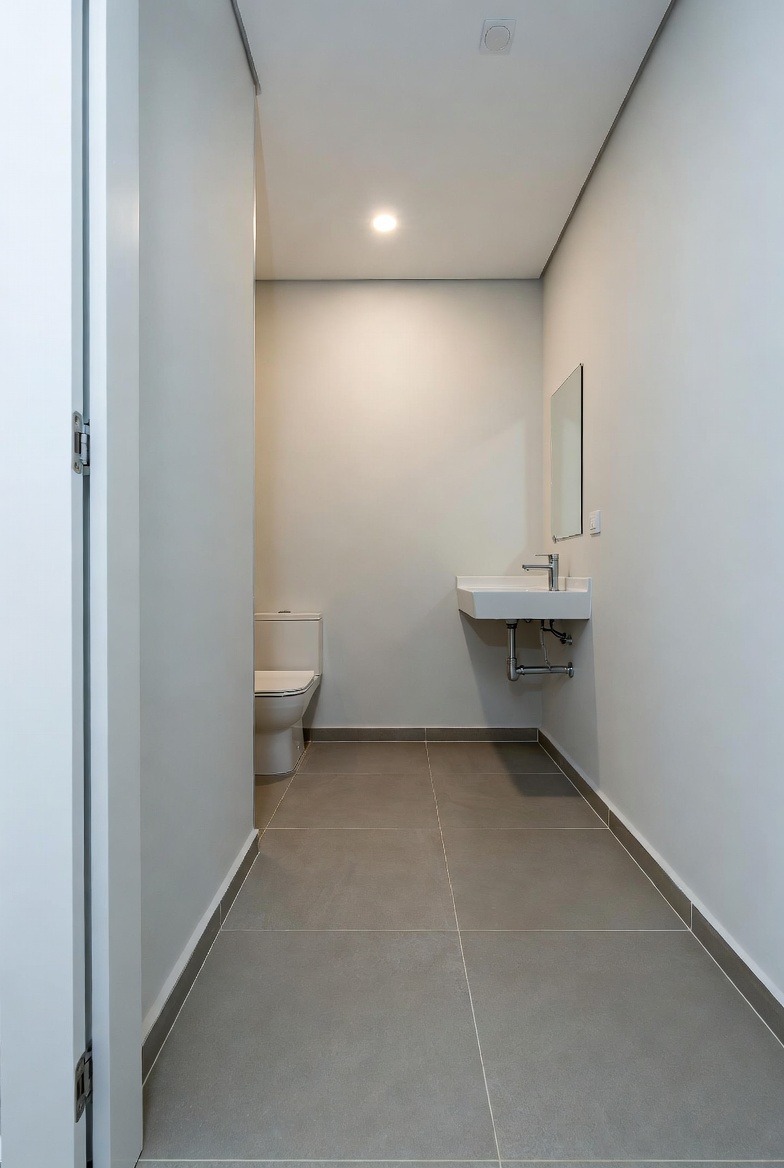
Flooring plays a significant role in how wide a bathroom feels. Large-format tiles reduce the number of grout lines, creating a smoother and more open appearance. When fewer lines interrupt the floor, the space feels less cluttered.
Running floor tiles across the width rather than the length can also help counteract the narrow layout. Consistent flooring that flows into adjacent spaces adds to the feeling of continuity and openness.
Keeping Fixtures Slim and Space-Saving
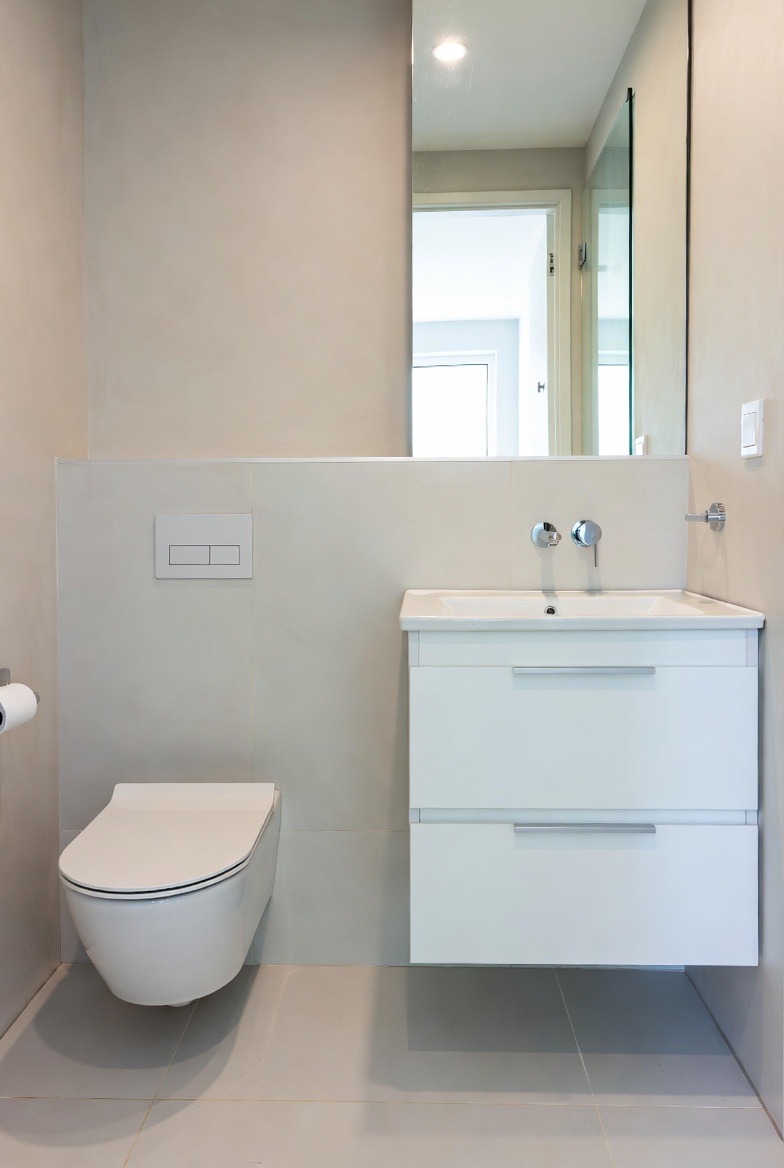
Bulky fixtures can quickly overwhelm a narrow bathroom. Choosing slim-profile sinks, wall-mounted toilets, and compact vanities frees up visual and physical space. Wall-mounted fixtures expose more floor area, which instantly makes the room feel wider.
Floating designs also allow light to move more freely around the space. This openness is essential for narrow bathroom ideas that aim to improve both appearance and functionality.
Making Mirrors a Key Design Feature
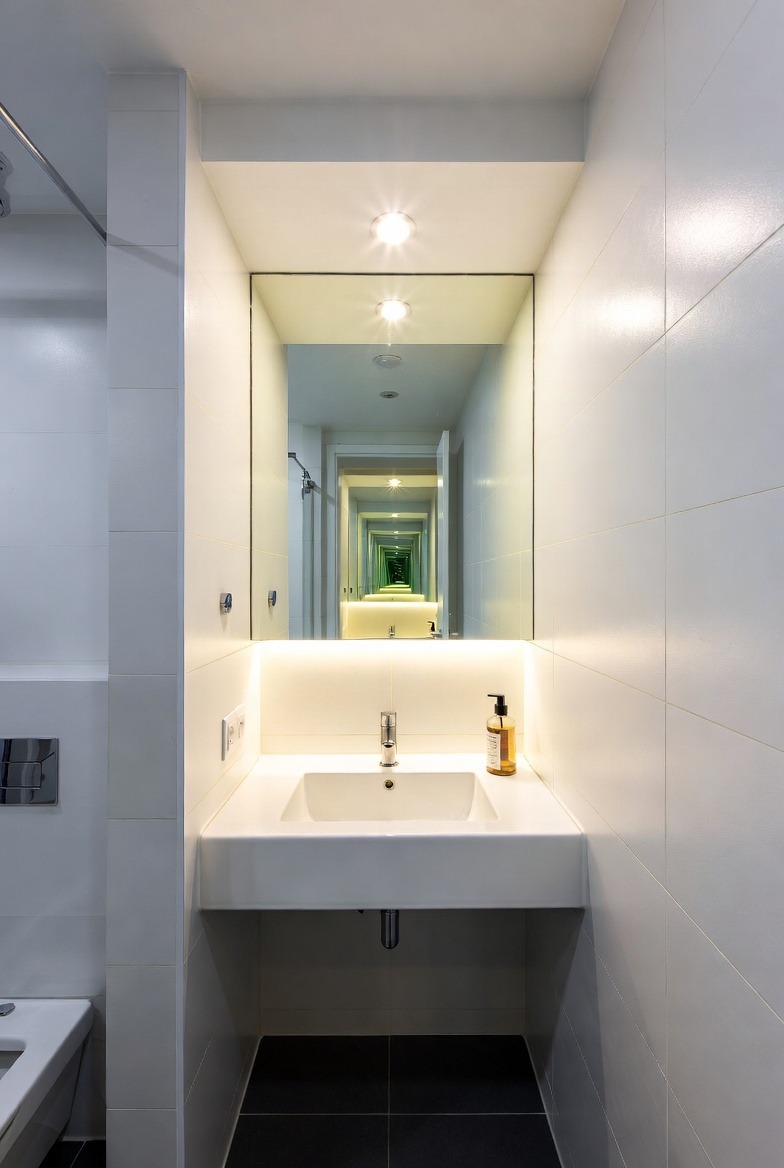
Mirrors are essential in narrow bathrooms because they reflect light and visually double the space. A wide mirror placed above the vanity draws attention across the room rather than along its length.
Mirrored cabinets can also provide storage without adding bulk. When mirrors span a large portion of the wall, they help break down the narrow feel and add brightness at the same time.
Strategic Lighting to Reduce the Tunnel Effect
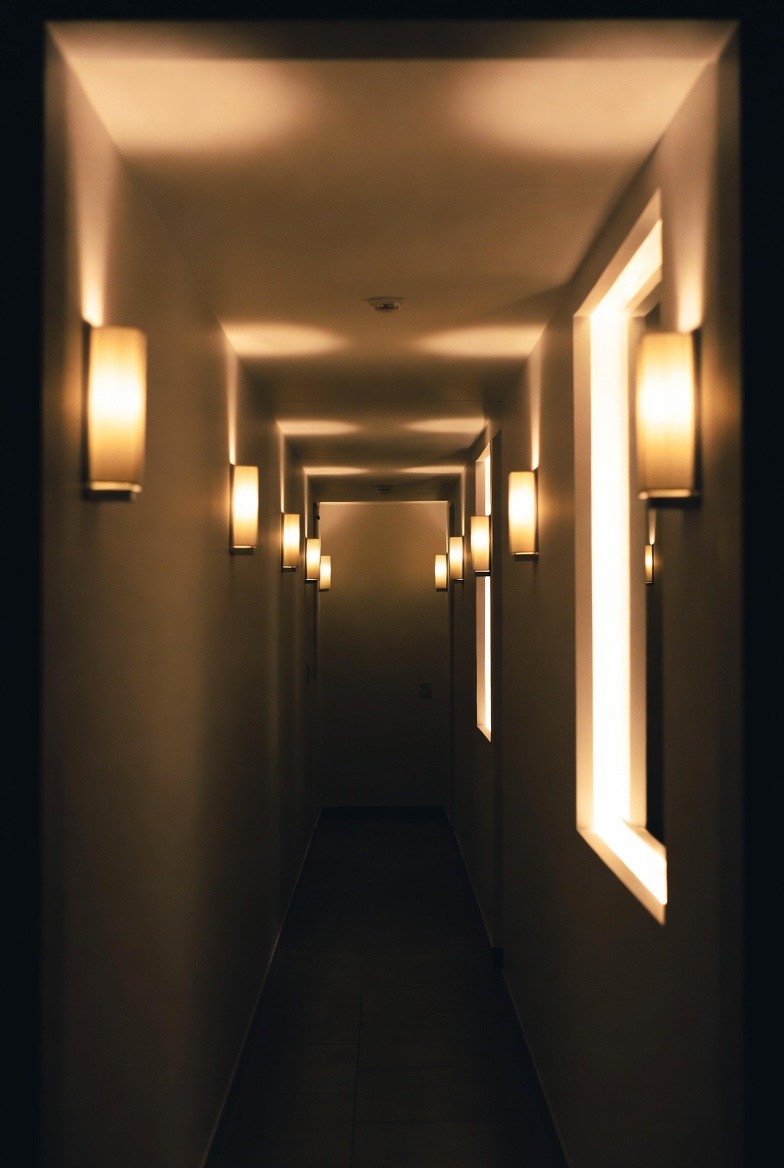
Lighting can either highlight or hide the narrow shape of a bathroom. Single overhead lights often create shadows that exaggerate tight spaces. Layered lighting helps soften these effects.
Wall lighting placed at eye level can widen the visual field, while even illumination prevents dark corners. Warm, balanced lighting creates a welcoming atmosphere and makes the bathroom feel less confined.
Choosing Glass Over Solid Barriers
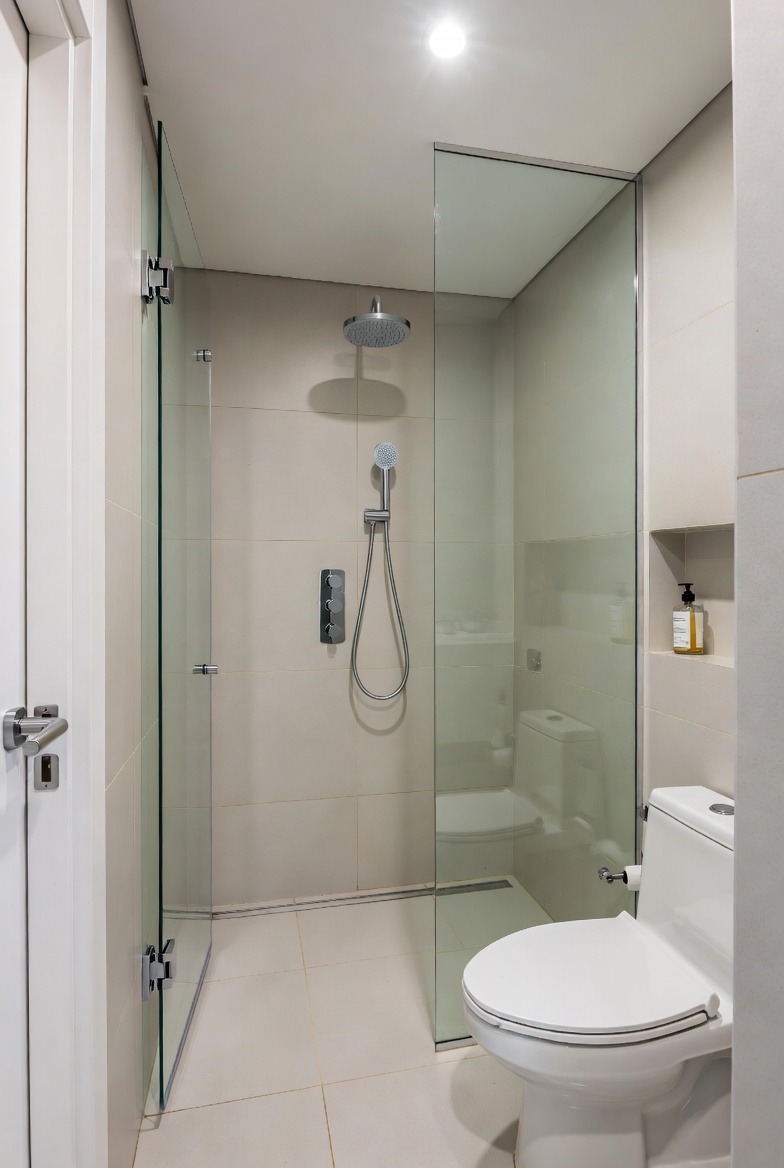
Solid shower enclosures can block sightlines and make a narrow bathroom feel chopped up. Clear glass shower screens allow the eye to travel uninterrupted across the room, creating a sense of openness.
Frameless or minimal-frame glass designs are particularly effective. They keep the space visually connected and prevent the bathroom from feeling segmented.
Using Vertical Storage Without Crowding the Room
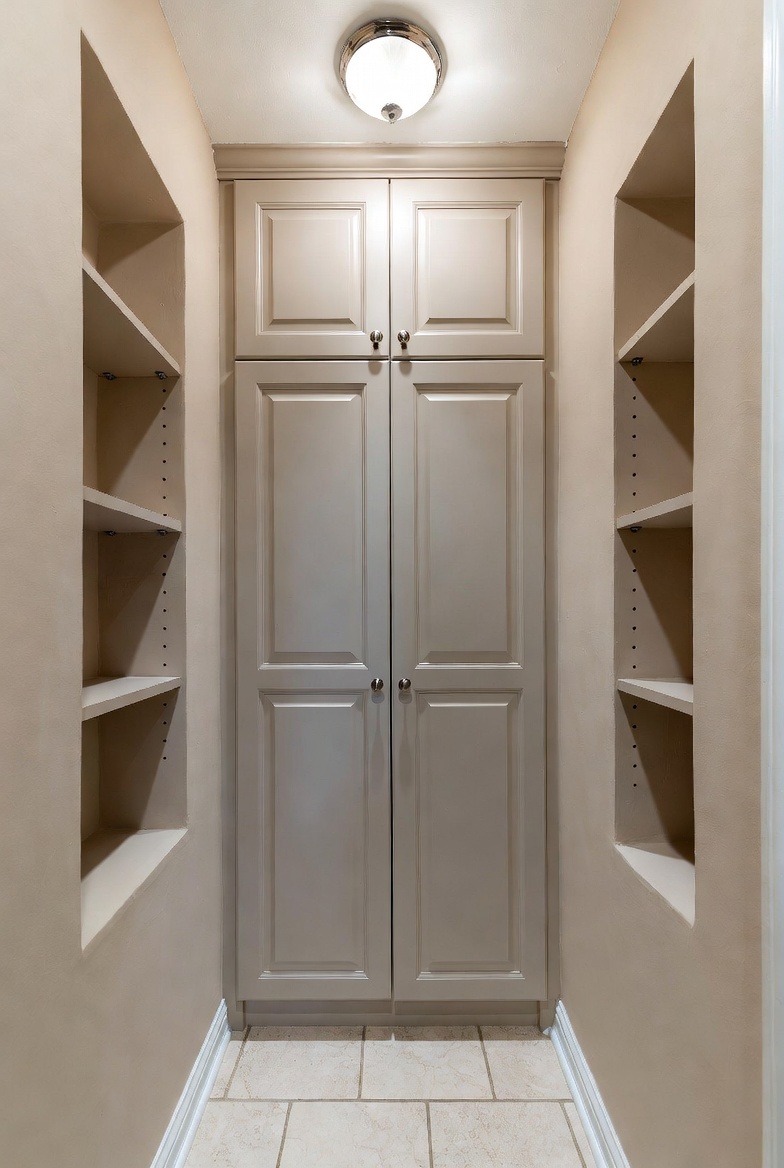
Storage is necessary, but in narrow bathrooms it must be carefully planned. Tall, slim storage units take advantage of vertical space without consuming width. Recessed shelves and built-in niches also provide storage while keeping walls flush.
When storage blends into the wall rather than protruding from it, the room feels more streamlined. This balance is crucial when applying narrow bathroom ideas in real homes.
Creating Visual Balance With Symmetry
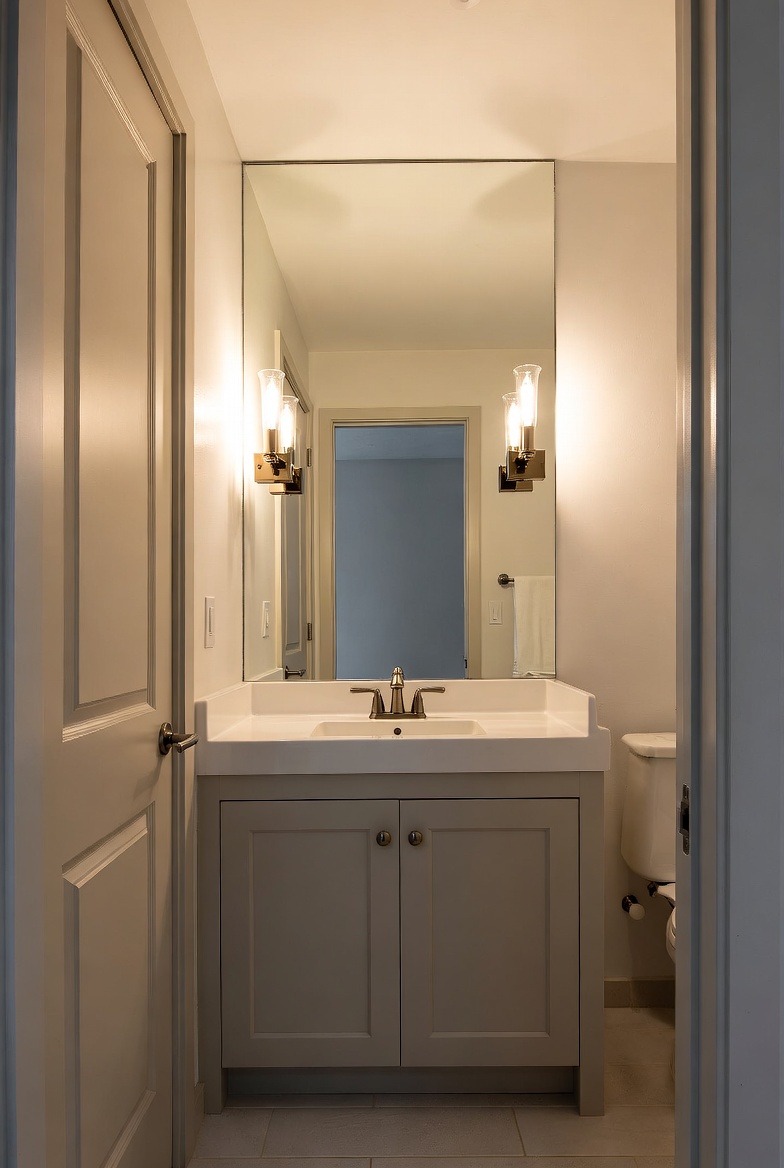
Symmetry brings a sense of order and calm, which helps narrow spaces feel more comfortable. Centering the vanity, mirror, and lighting can create balance that distracts from the room’s proportions.
When elements are evenly spaced and aligned, the bathroom feels intentional and well-designed rather than cramped. Visual harmony plays a big role in how wide a space feels.
Limiting Visual Clutter for a Cleaner Look
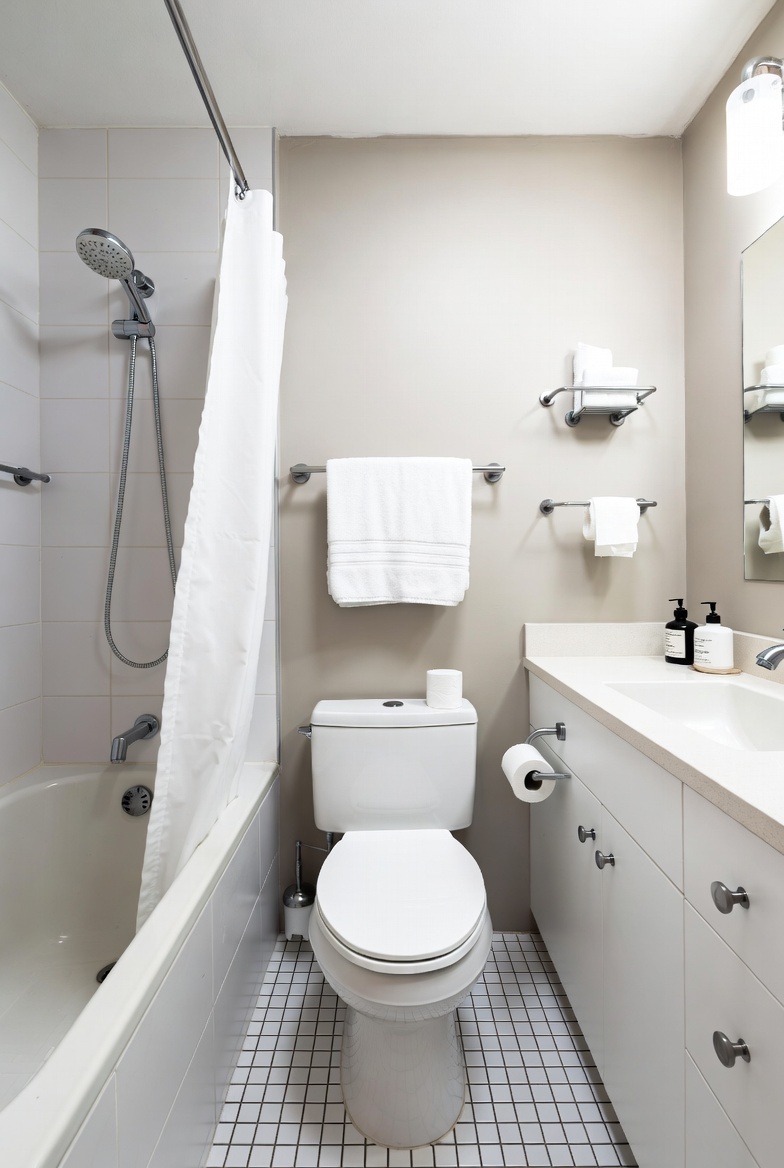
Clutter makes narrow bathrooms feel smaller than they are. Keeping countertops clear and accessories minimal allows the eye to move freely across the space.
Simple, coordinated accessories reduce visual noise. A clean, uncluttered look supports the illusion of width and helps the bathroom feel calm and spacious.
Using Texture Subtly to Add Interest
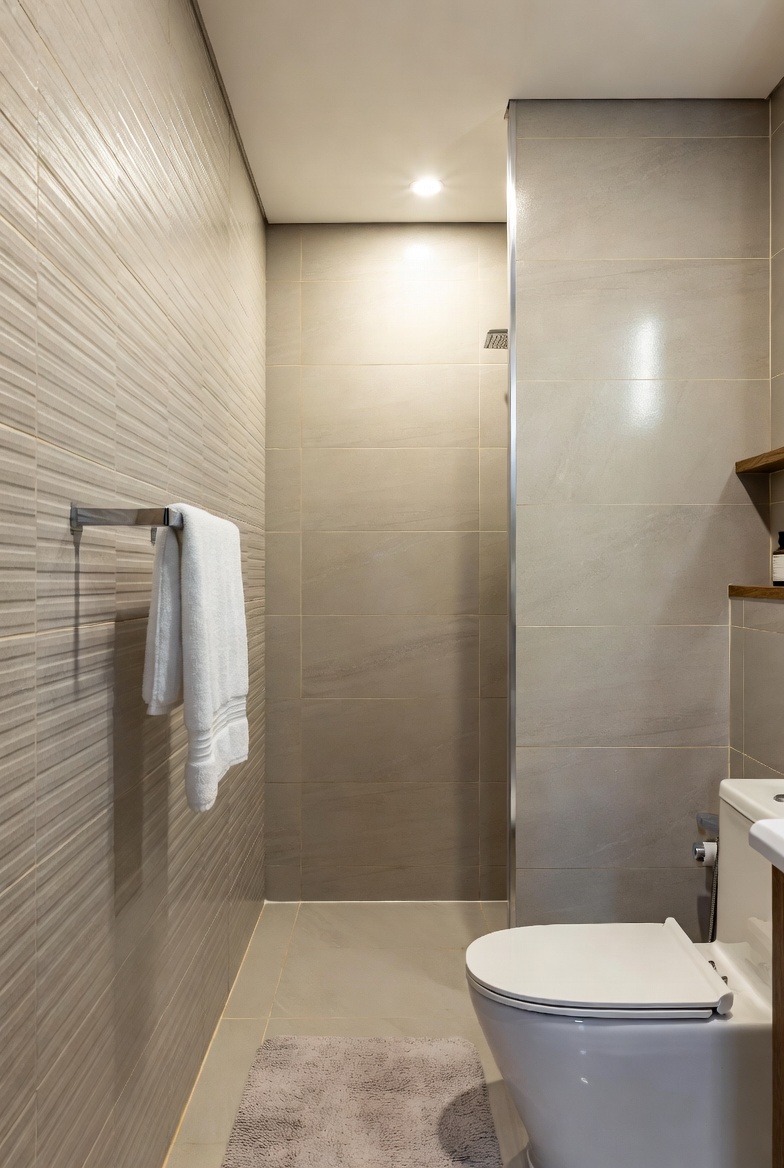
Texture adds depth without taking up space when used carefully. Soft textiles, subtle wall finishes, or lightly textured tiles can create interest without overwhelming the room.
The key is moderation. Too many textures can make the space feel busy, while a few carefully chosen ones enhance warmth and comfort without reducing openness.
Choosing the Right Shower Layout
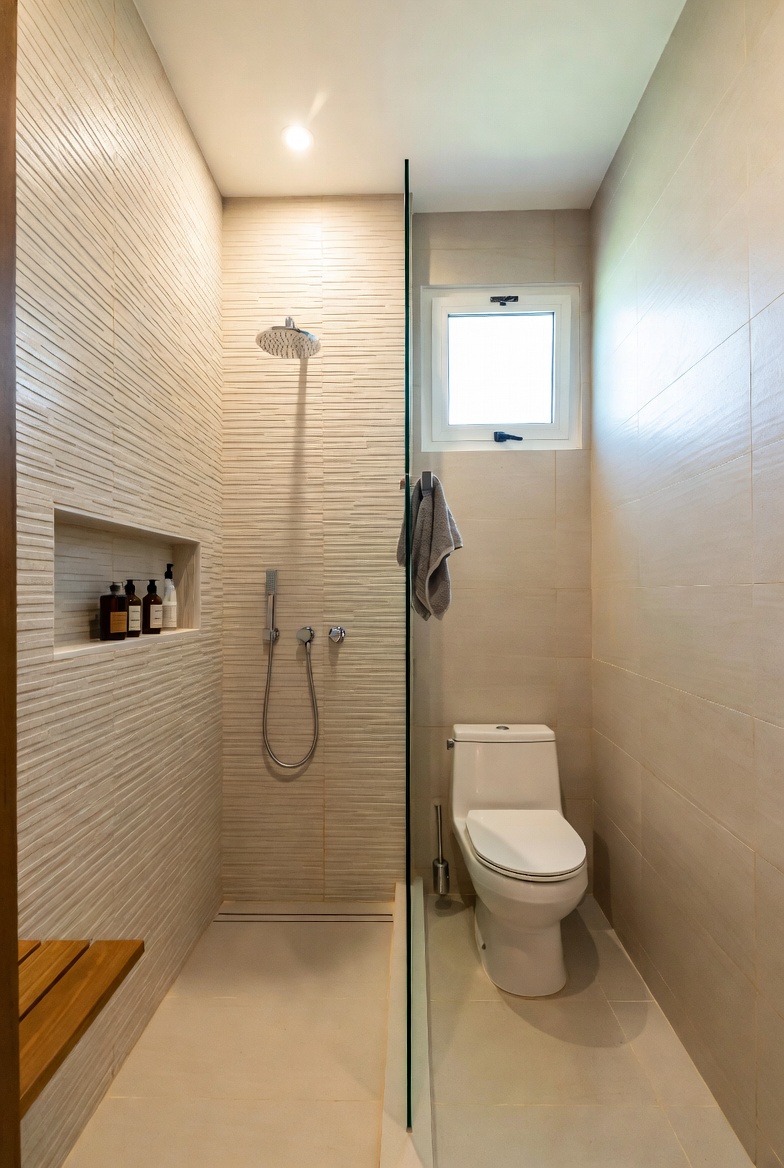
In narrow bathrooms, shower placement matters. Walk-in showers that run along the length of the room can actually help balance proportions when designed well. Keeping the shower area open and uncluttered maintains sightlines.
A consistent floor level throughout the bathroom also helps the space feel wider. When there are fewer visual breaks, the room feels more expansive.
Coordinating Materials for a Seamless Look
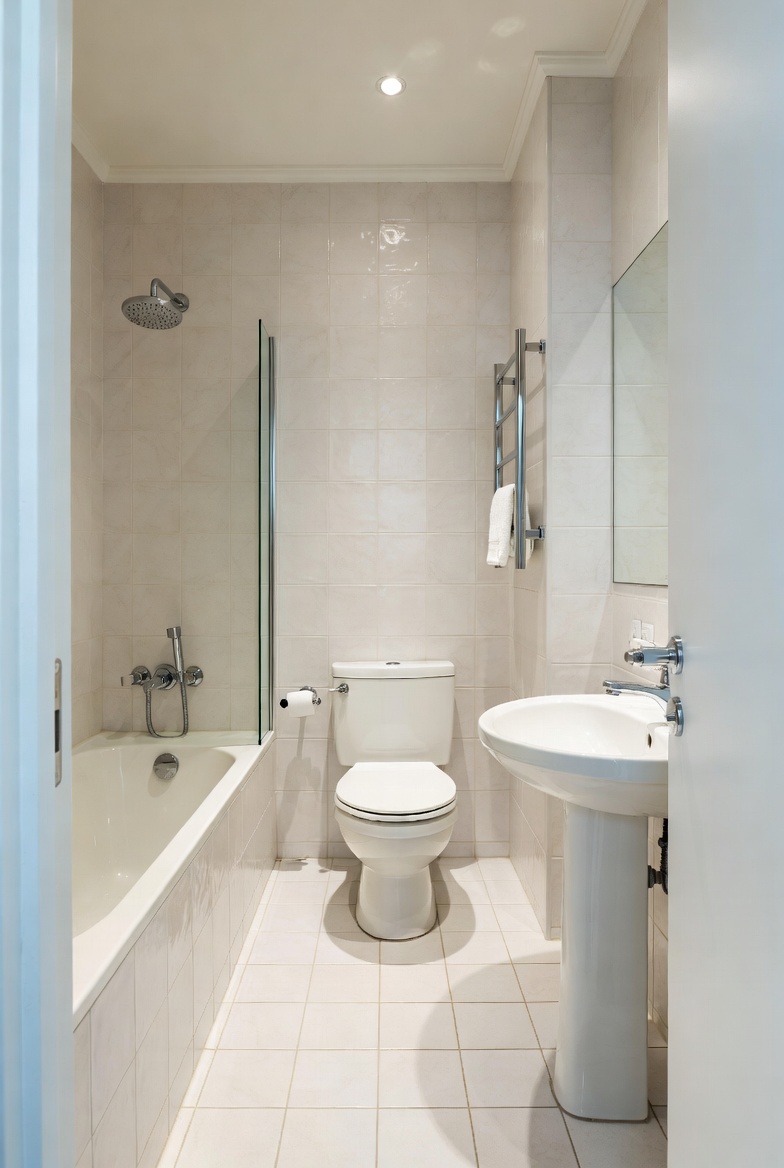
Using the same materials across different surfaces creates visual continuity. When walls, floors, and fixtures complement each other, the bathroom feels unified.
This seamless approach is a core principle of effective narrow bathroom ideas. It reduces visual stops and allows the space to flow naturally, which enhances the feeling of width.
Paying Attention to Door and Entry Design
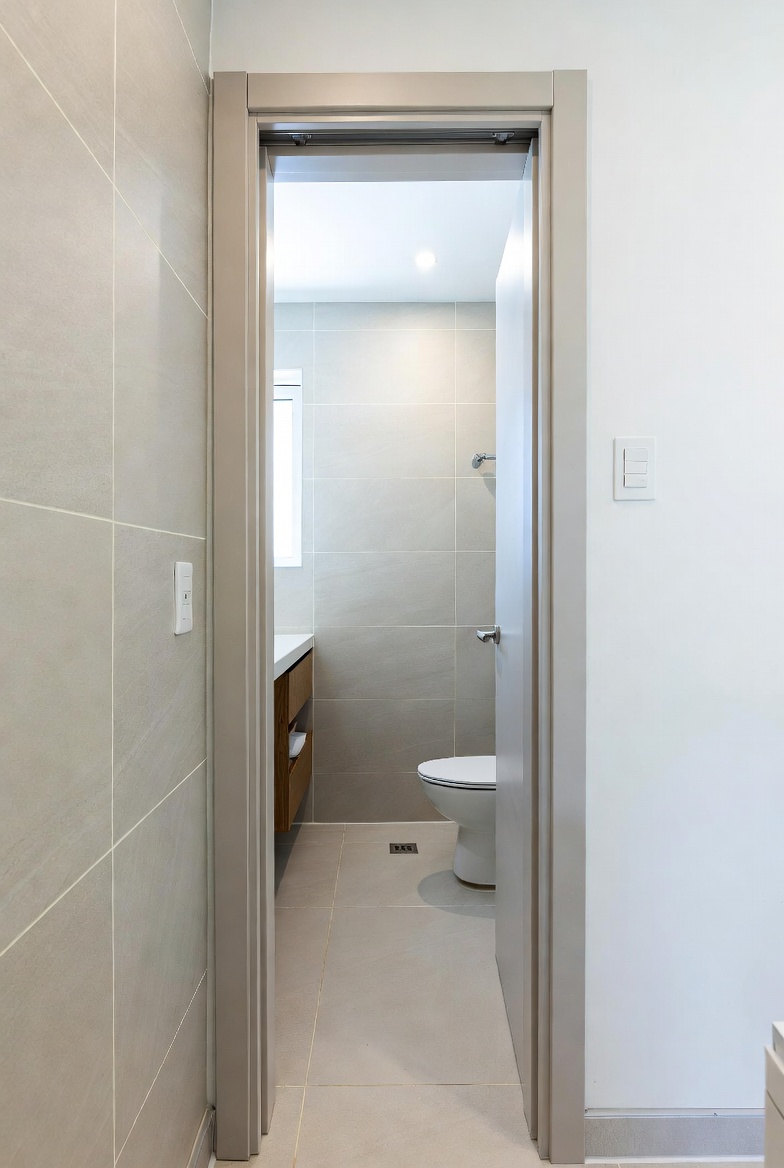
Doors can impact how narrow a bathroom feels. Sliding doors or inward-opening designs save space and reduce awkward angles. Keeping the doorway simple and unobtrusive helps the bathroom feel more open from the moment you enter.
A clear, welcoming entry sets the tone for the entire space and prepares the eye for a balanced, well-designed interior.
Frequently Asked Questions
How can I make a narrow bathroom feel wider without remodeling?
You can make a narrow bathroom feel wider by using light colors, wide mirrors, clear glass shower screens, and slim fixtures. These changes rely on visual tricks rather than structural alterations.
What colors work best for narrow bathroom ideas?
Light neutrals such as white, cream, and soft grey work best because they reflect light and reduce the feeling of tightness. Consistent color schemes help create a sense of openness.
Do mirrors really help in narrow bathrooms?
Yes, mirrors are one of the most effective tools for visually widening a narrow bathroom. They reflect light and extend sightlines, making the space feel larger and more balanced.
Is wall-mounted furniture better for narrow bathrooms?
Wall-mounted furniture is ideal because it frees up floor space and allows light to flow underneath. This openness makes the bathroom feel wider and less crowded.
Can lighting change how wide a bathroom feels?
Proper lighting can significantly affect perception. Even, layered lighting reduces shadows and highlights width rather than length, making the bathroom feel more open.
Conclusion
A narrow bathroom does not have to feel cramped or uncomfortable. With thoughtful design choices and attention to visual flow, even the slimmest space can feel wider and more inviting. By focusing on light colors, open layouts, slim fixtures, and balanced lighting, these narrow bathroom ideas help transform tight layouts into functional and stylish spaces.
The key lies in consistency, simplicity, and smart use of space. When every element works together, the bathroom no longer feels narrow, but instead feels calm, modern, and surprisingly spacious.
